Tag Archives: corrugated boxes

Packaging and Sleeves 

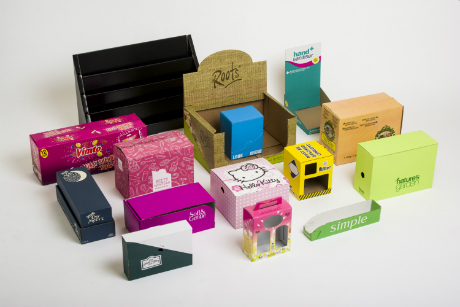
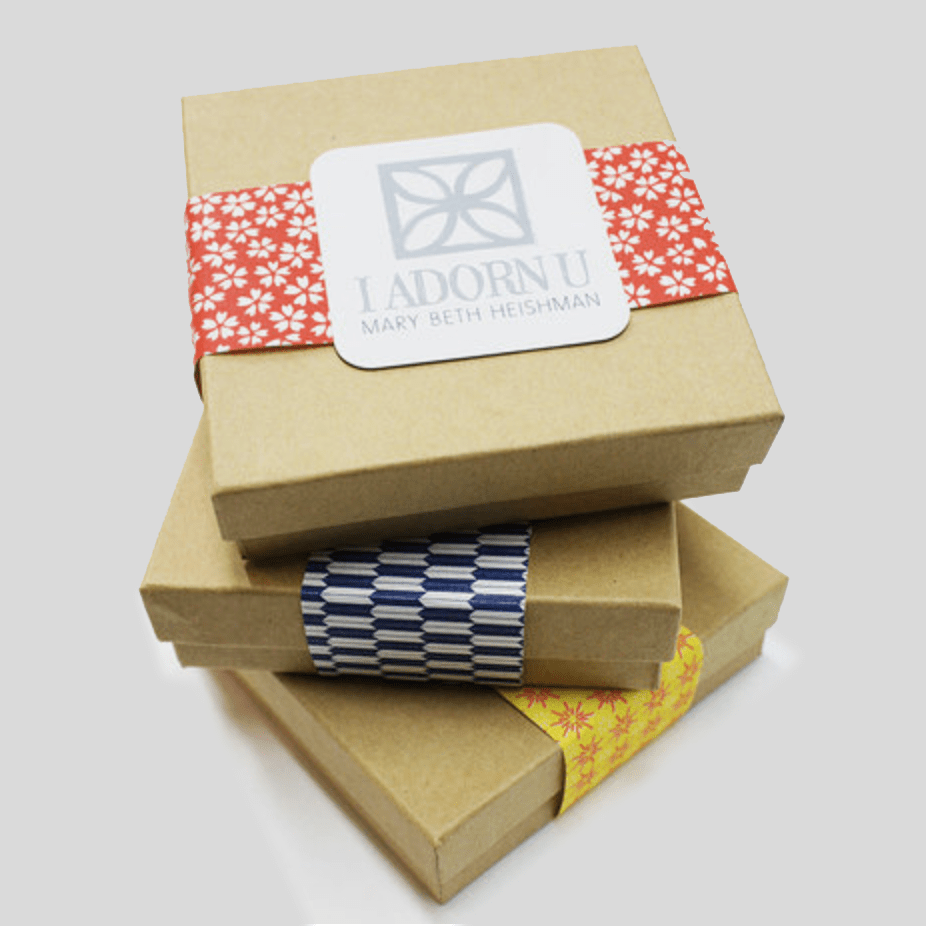
Packaging with some sleeves is a great way for you to get the most out of your packaging experience. You may already know what sleeves are, but here’s a recap for those who don’t know. Sleeves are cardboard strips that wrap around products, and it can save you money on boxes.

Sleeves can be further customized by adding some branding, information on products, and promo offers. There is also a special finish that further adds to the unique touch of things. 

The benefits of Sleeves 

Sleeves that are colored offer a variety of different benefits that can be used. First they’re professional, and cost very little. sleeves are simple, and they cost far less than building a whole case.

They’re also further adaptable to every single industry and sector, and it’s used within all sectors of marketing.

They’re sustainable as well and offer special benefits for special offers that are there. When you adapt this to promotional launches, reviewing it across different seasons can also be pretty expensive over time. Sleeves are versatile, and they cost far less than a regular box. 

They also offer an environmental footprint. Cardboard is pretty environmentally friendly, but sleeves save you a lot more on the raw materials and the ink, so it’s even less than before.

Let’s take the case of a n artisan pasta, where the sleeve showcases a product emphasis, and the strength of a brand through some graphics that are color illustrated, offering a newfound brilliance not seen before from this type of product. 

On the topic of food, let’s also talk about meat sleeves that are used. You can get them for cuts, and then you can use a shrink wrap to seal this, and the sleeve will occupy just a part of this package. This offers a balance by creating a premium package with the smallest amount of packaging that’s possible. 
Another great element that packaging sleeves offer is the tools. Let’s say you’re selling a cutting board. For the most part, those are a bit bland and boring, but with a sleeve, you show off the packaging, creating a message, which is mostly the fact that it’s handmade, and a very unique crafting piece that’s possible. 

Cosmetics are even using this. Nowadays, you can get cosmetic kits for ideal skin routines, and other such things. While it might look at first like a purse or a case, with the sleeve added, it creates the perfect item, with the least amount of expenses, and the largest impact that can be there. 

Then of course, there is the clothing sector that benefits from sleeves. Socks and stockings are but one example. Think about it, you get different hosiery, and it has on the sleeve, the brand, the composition of such, and finally that size. This is something that’s super simple for a lot of people to use. It’s also ideal for the customization aspects of this. it’s good if you’re looking to add some personalized touches to your products as needed.
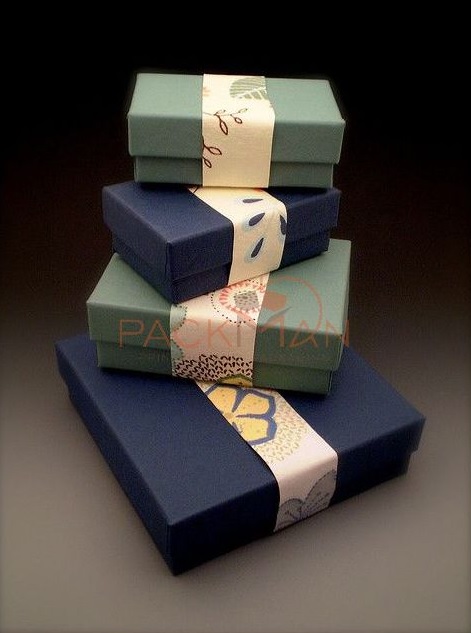
In conclusion, the best way to market a lot of your products is the sleeve. Don’t underestimate this, as it’s one of the best, most effective, and also flexible sorts of packaging solutions. You can get prototypes for the packaging to see if that’s the best way for you to do this. You can also get some packing and other shipping and printing aspects covered with this too. For a lot of people, this level of marketing and choosing of your products offers the best means possible to create an ideal product for your needs too.  
An Overview Of Different Packaging Materials

When it comes to packaging your products, it becomes necessary to learn what packaging options you can have to ensure the safety and effective branding of your products. The most necessary thing that you will have to consider before anything else is the types of packaging materials.

The type of packaging material to choose is based on the type of products to package. You should also take into consideration the matter of availability. After exploring the options and checking their availability, you should be able to go for the best option.

In this article, we will discuss the most popular types of packaging materials that you can use to package your items.

Corrugated boxes

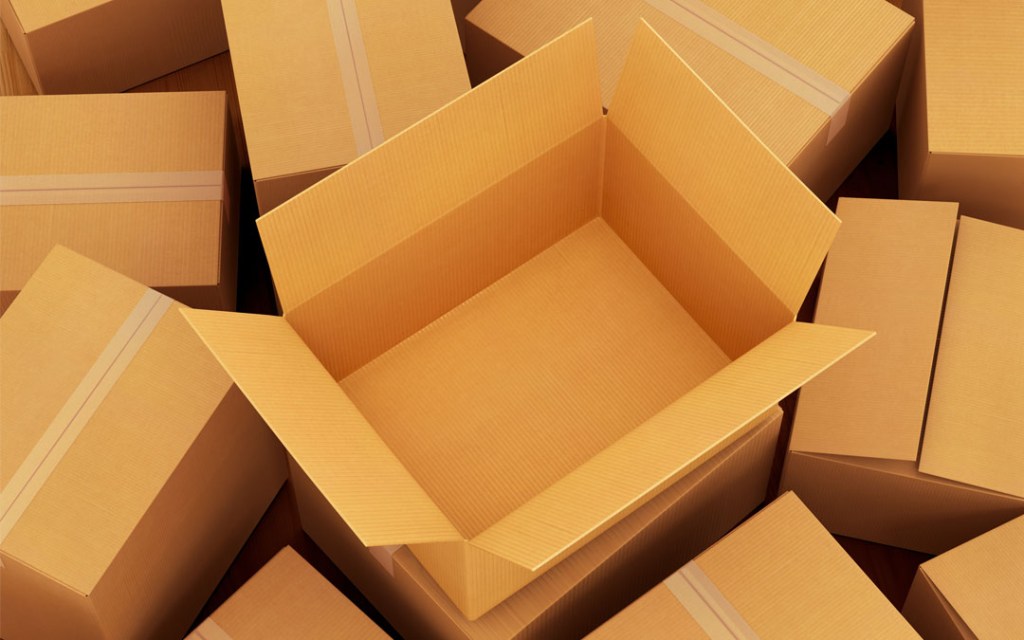
Corrugated boxes hold a signature value in the industry of packaging. Manufacturing and shipping companies have been using these boxes for several decades. Today, the volume of applications that use corrugated boxes as a preferred packaging option is unimaginably large.

Most of the corrugated boxes are available pre-formed into rectangular or square shapes. Many are available in flat stacks, meaning that you will have to put them together by hand to make boxes.

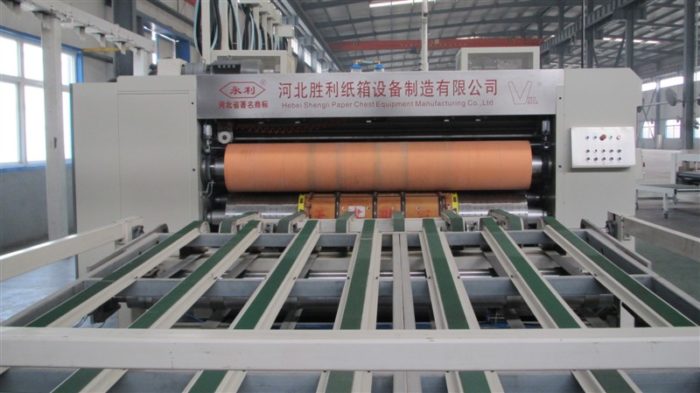
In most cases, shipping and manufacturing companies use case erectors to form, fill, and seal corrugated boxes. Case erectors are semi-automatic, which means that they also require human effort.

Stretch film

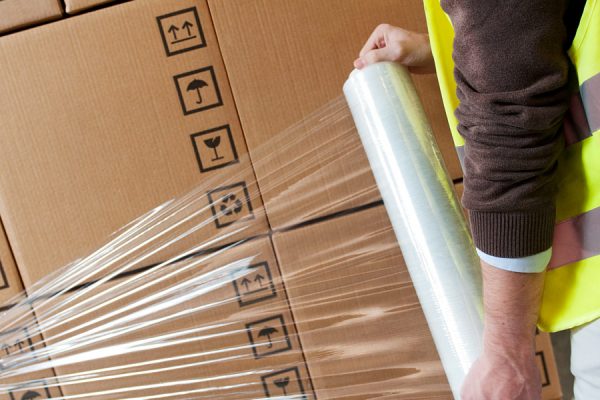
Every packaging company has to deal with applications that require the use of stretch film. Companies that have packaging warehouses almost always use stretch films to secure their products on pallets.

The most significant benefit of using stretch film is that it protects your products from damage during the shipping process. It does that with the help of what we may call load containment, which is a term referring to a shipment held tightly together. You may want to learn about different types of loads to understand load containment.

Shrink film

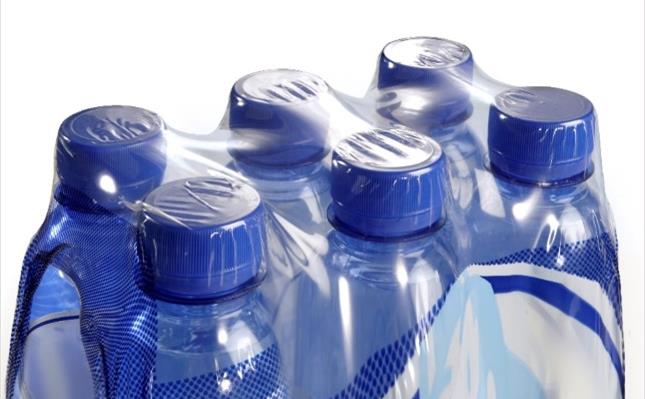
Shrink film is also one of the most common packaging materials used worldwide. This material is suitable for the packaging of a wide array of products.

The type of shrink film depends on the type of formulation it uses. The most common formulation used in the making of shrink film is polyvinyl chloride (PVC). Other formulations include polyethylene and polyolefin. Each formulation is suitable for a different set of applications, so you may want to research a bit to find the best type of shrink film for product packaging. For instance, you may need to use polyolefin for food packaging.

Using the wrong type of shrink film might turn out to be counterproductive, so you will want to check what formulation is best suited for your products.

Shrink bands

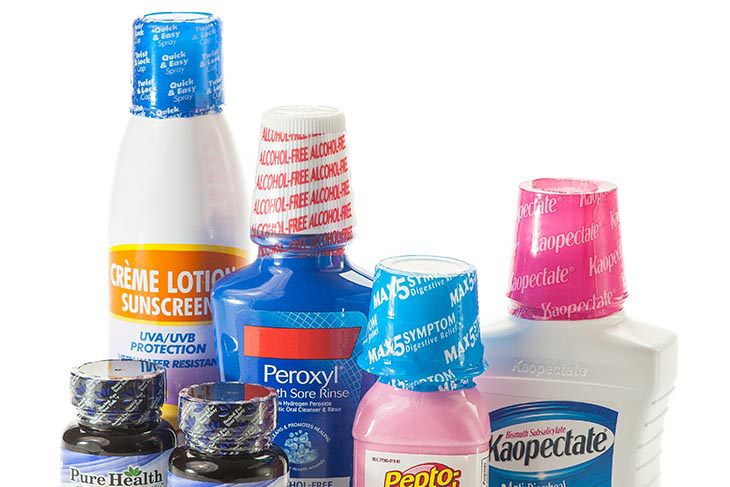
Shrink band is a tamper-evident protecting packaging. In most cases, these bands are available in pre-made forms to fit over a lot of products that may include jars, bottles, and many other products.

The application of a shrink band involves putting the band on the cap of the container and sealing. The packaging staff then uses heat to seal the band to make it shrink to fit the size of the top of the container.

Flexographic printing for cardboard. 

When you’re choosing printing on cardboard, flexographic printing is the way to go. Being eco-friendly and cost-effective is the key, and here, we look at the print quality for flexographic printing and different ways this can get done. 

The Basics of Flexographic printing 

Before you dive into specifics of achieving the print quality of this, it’s important that you understand these basics. Flexographic printing is a form of relief printing which utilizes flexible plates for printing, known as stereos for a lot of people, in order to transfer the ink onto a substrate that’s known as cardboard. 

Printing plates are made from rubber, or photopolymer, and the raised image transfers the ink onto your substrate. 

This form of printing is pretty cool, and while it does take more time, the results are cleaner than digital printing. 

The Right Ink Matters 

One thing that’ll impact one’s flexo printing is of course, the ink quality. 

The correct ink mattes, as this will be a big part of how the product turns out. 

Water-based is the most popular for flexo printing simply because it’s eco friendly and creates very vibrant colors. But, due to the limitations on machines, they’re not suitable for the print quality you want. There are certain machines that’ll require solvent-based types of inks as they create an ink transfer and an adhesion, which results in sharper images. 

In postal packaging that was made from porous cardboard, the water-based inks are the ideal option for a good balance, sustainability and quality. Water-based and solvent based inks are the most common. Water-based is those that are dyes suspended directly in water. Being eco friendly, they create a vibrant color. They’re easy to clean and have a lower odor.  Water-based inks are used in flexographic printing for paper, along with cardboard substrates. 

Solvent-based are made from dyes and pigments that get suspended in solvents, including alcohol, ethyl acetate and acetone.  They create a better transfer, and help with creating more shaper images. They’re used for metal foils and plastic filming. 

There are UV inks, but they are usually fast-drying, and good for vibrant pieces.  Metal foil and plastic also work well with this. 

Choosing the Right Plate 

The right printing plate is great for ensuring you’ve got good printing quality.  This is used for printing, and durability along with the flexibility is what creates the right type of image. 

When you choose a photopolymer plate, choose something with a higher resolution to create clear and sharp images. 

Photopolymers are a form of printing plate used for this.  The plates come with photosensitive types of materials that’ll harden when they’re exposed to UV light. 

They have a liquid photopolymer that’s exposed to film negatives of images.  Areas of the plate also have exposed areas to harden, and the unexposed ones stay soft.  This leaves behind the raised image that’s thrown onto one’s substrate. 

Photopolymer plates are known for flexibility, durability, producing finer details, and achieving photographic quality in flexo printing. 

There are other printing plate types used with this, including rubber plates, elastomeric sleeves, and so much more. But photopolymer plates tend to be the most common because of the results offered. 

Flexographic printing is great, and achieving such with some four color printing is even more possible than ever before. the right plate matters, and there are so many high-quality eco friendly forms of packaging now in order to meet the demands of others.  It definitely is perfect for those interested in really looking the part, and to help create a visually appealing product that you will love too. 

Heat Generated Packaging to Keep Items Warm in cold Climates 

There’s  a lot of challenge for keeping things warm just as much as it is to keep things cold. This is especially true in cold climates, and for temperature sensitive packaging that’s there too. 

A lot of companies are looking for unique, immersive ways to keep the heat generated and packaging from not breaking down. Here, we’ll go over how this is done, and some of the unique factors in which your packaging is used to keep the most important items that you need cold. 

How this Works 

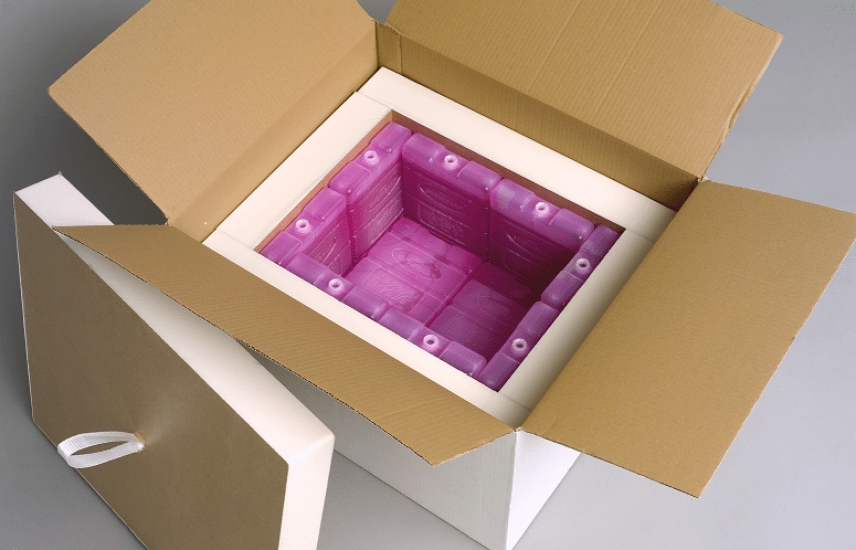
With this type of packaging, there are thermochemical heat packs that will allow you to improve how much heat is kept in place. With these heat packs, you’ll have chemicals that will keep the items warm during shipment.

There are also some warming elements, such as insulation, that don’t require batteries. This is a more sustainable type of packaging, especially if you’re looking to improve the packaging while Being sustainable. 

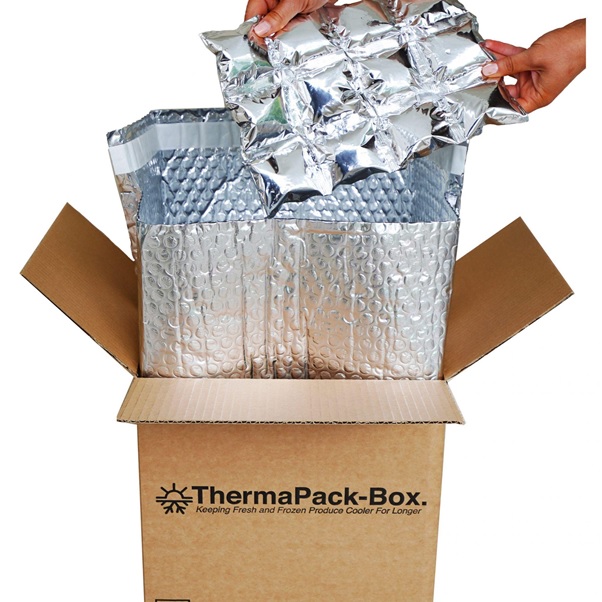
There’s also insulation layers put in place, which trains the heat. With this, you’ll be able to protect the items, keeping them inside and away from any elements that keep it cold. 

The applications 

Meals, including meal delivery, are common. With meal delivery service, you want to keep it warm from the moment it gets to the customer and when it leaves the restaurant.   With this service, you’ll be able to deliver these items quickly and effectively, without much problem. 

The same goes for medications and pharmaceuticals, which are of course, requiring a little bit of protection and insulation that’s there. 

Finally, any winter packaging that you want to keep warm may use it. Some outdoor gear that may need to be protected will definitely improve how nice the items are kept. 

The Benefits 

There’s a lot of benefits to this type of packaging. 

It prevents the freezing of products, and will help with keeping the items as fresh as possible.  Product freezing impacts the experience, so make sure that you use this when you need to.

It also ensures a consistency of temperature, which is something that a lot of packaging, especially food packaging needs. When you use this, it will keep the items nice and protected. 

It also reduces the reliance on microwaving or external heating sources, so that you can have a better, more impactful experience that will keep everything warm, no matter the climate that’s in place. 

The future of This Packaging 

A lot of packaging, especially when it’s heat-generating, is already a new experience. with this, you’ll be able to keep whatever item fresh.

But what if you’ve already included this? What other types of addition can you use? 

The biggest one is AI. 

A lot of AI-driven temperature packaging will naturally adjust the items, and will monitor for active heat control during transit.   You’ll be able to, with this, control how hot or how cold your packaging is.   through this, you keep the freshness in place, and you will also, in turn, help with keeping the item as fresh as possible. 

Keeping your items as secure and warm as you can is important. For some industries, it can improve customer repute. That’s why, if you add in elements that heat the packaging and also keep it warm, you’ll be able to get it to customers fast. 

The future is protection of the product from elements. This also includes protection from the temperature elements and changes, allowing you to have a unique, impactful experience for all of the items that you have at your arsenal.